Best Concealer for Combination Skin: How to Choose the Right Formula
7 October 2026 · Jyoti Limbu
Find the best concealer for combination skin. Learn which formula, finish, coverage, and application techniques work for oily and dry areas.
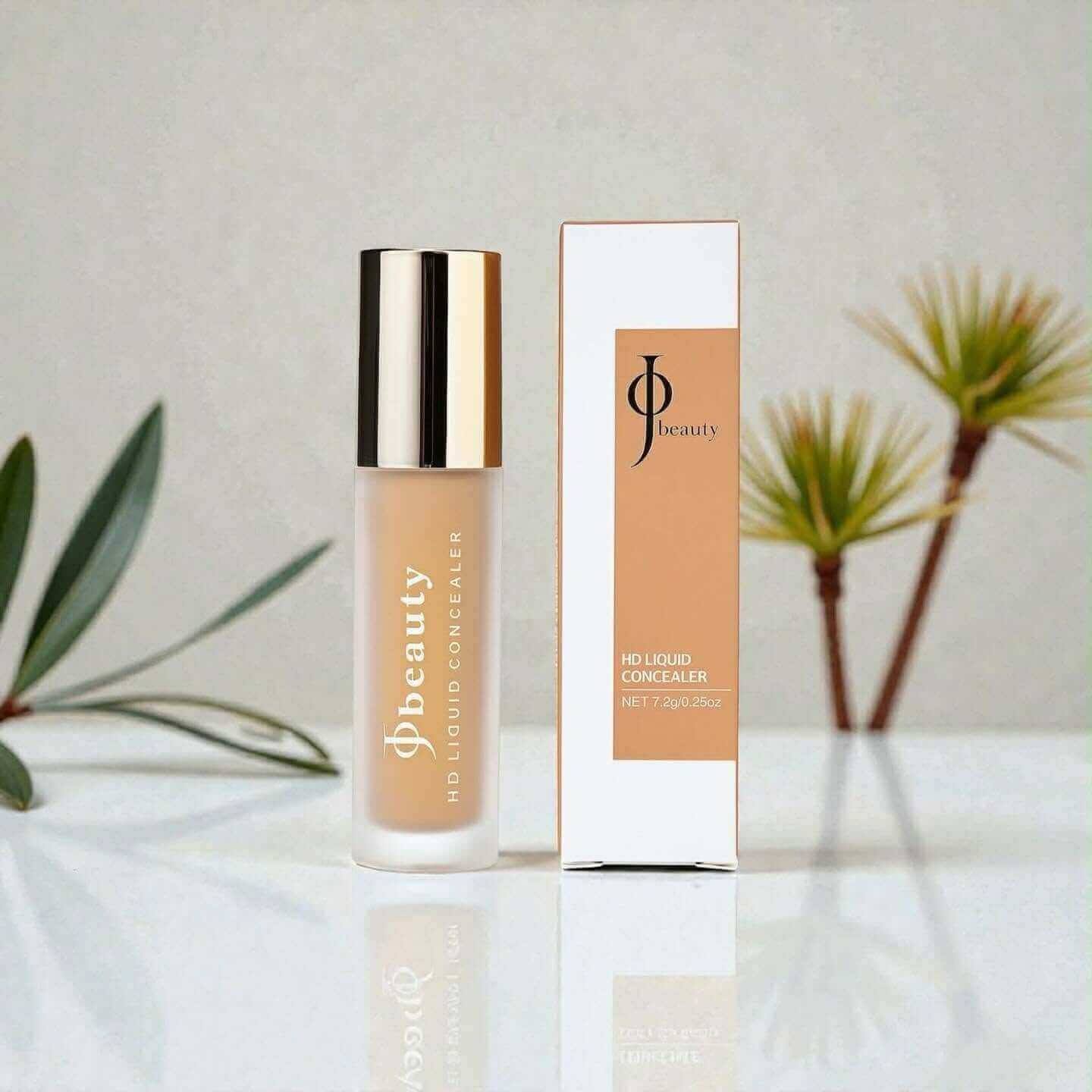
Combination skin isn't one type all over. Your T-zone—forehead, nose, and chin—tends to run oily, while your cheeks and jawline stay dry or normal. That's why picking a concealer for combination skin feels harder than it should. A formula made for oily skin can sink into dry patches and look cakey. A rich, hydrating one can slide right off an oily nose by afternoon. What you actually need is something that hydrates where you're dry and holds up where you're not.
So, what is the best concealer for combination skin? In most cases, a lightweight, medium-to-buildable concealer with a natural or semi-matte finish is your safest starting point. It should hydrate the dry patches while staying put on an oily T-zone. If you want heavier coverage, a lightweight, high-coverage formula, like Jo Beauty's concealer, can work well too, especially used selectively rather than all over. We'll walk through why below.
What Makes a Concealer Good for Combination Skin?
A few things matter more than the label does.
Texture. A medium-weight liquid formula blends easily without dragging or settling into lines. Light enough to move with your skin, strong enough to actually cover.
Finish. Fully matte can grip onto dry patches and show flakiness. Fully dewy can slide on an oily nose within hours. Natural or semi-matte sits best across both.
Coverage. You don't need full coverage everywhere. Medium, buildable coverage is more forgiving on dry skin, and you can always layer more where you need it.
Hydration. Dry patches want a formula with some built-in moisture, not just a moisturizer applied underneath and hoped for the best. Glycerin and hyaluronic acid are common in hydrating makeup formulas and may help concealer sit more comfortably on drier skin.
Oil control. For the T-zone, staying put matters more than a bold "24-hour" claim on the box. A lightweight, semi-matte formula usually manages oil without constant touch-ups.
Longevity. Combination skin wears makeup differently across the face, so think about how it looks a few hours in, not just right after you apply it.
Non-comedogenic formulas. If you break out in your T-zone, a non-comedogenic label is a good sign, though it's still worth checking the ingredient list against your own skin.
What to Look for, at a Glance
Finish: natural or semi-matte
Coverage: medium, buildable
Texture: lightweight liquid
Dry areas: hydrating ingredients
Oily areas: staying power over mattifying claims
Under eyes: lightweight, crease-resistant
Blemishes: buildable coverage
T-zone: semi-matte finish, light setting powder if needed
Best Types of Concealer for Combination Skin
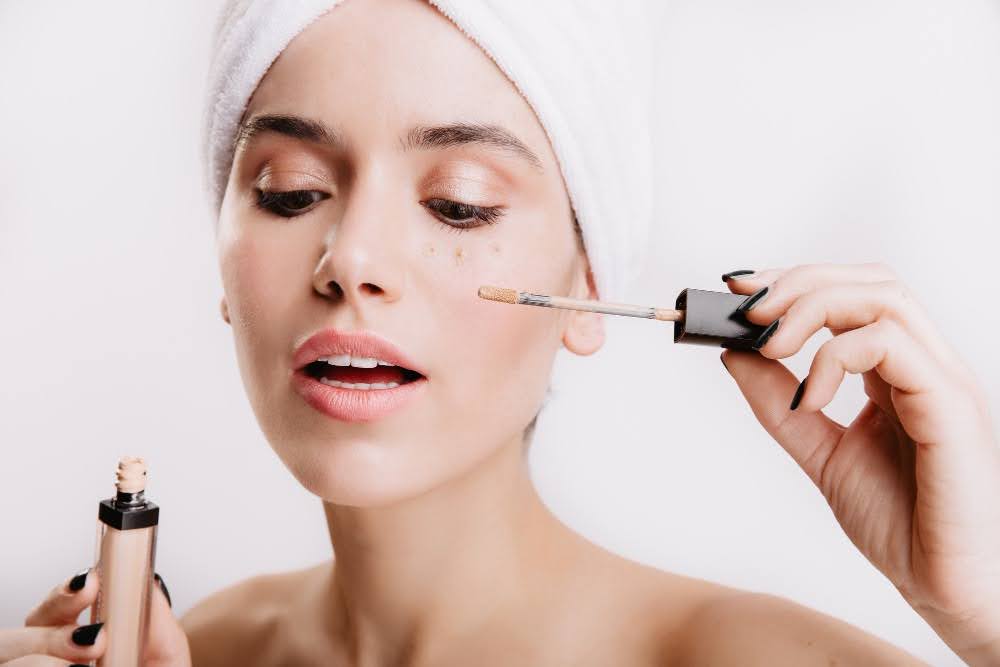
It depends on which concern shows up more for you, oil or dryness, and that can shift with the seasons.
Lightweight liquid concealers are usually the best place to start. They blend easily and won't sit heavy on dry patches, though very light formulas may need a second pass over stubborn dark circles.
Medium-to-full coverage concealers are worth it when you're covering blemishes, redness, or dark circles a sheer formula won't hide. Just make sure the formula itself isn't drying, or it'll emphasize texture instead of hiding it. Jo Beauty's concealer falls here, a high-coverage formula with a lightweight feel, suited to targeted coverage of dark circles, blemishes, redness, spots, and uneven skin tone.
Hydrating concealers genuinely help dry patches and the under-eye area, which tends to run drier even on oily-leaning faces. You may just need a touch of powder in the T-zone to stop it sliding by midday.
Matte or natural-finish concealers control shine well but can be risky on dry cheeks. Applying it thinly and only where needed usually keeps this in check.
Cream concealers give strong coverage with more slip, nice for blending, but heavier and more prone to shifting on an oily T-zone. Better suited to dry-leaning combination skin.
How to Choose the Best Concealer for Combination Skin
A few quick questions to ask yourself first.
What's bothering you most? Dark circles, blemishes, redness, and uneven tone each want something slightly different. For bluish or purple-looking dark circles, a peach or salmon-toned corrector can help neutralize the darkness before concealer goes on. Blemishes want a bit more coverage, ideally non-comedogenic.
How much coverage do you actually need? Full coverage photographs beautifully but can feel heavy day to day. Medium and buildable is more practical, since you layer only where you need it.
What finish fits your routine? Oily T-zone, semi-matte. Drier skin overall, prioritize hydration over shine control.
Where's it going on? Under-eyes, blemishes, and the T-zone all want slightly different things, so decide honestly whether one concealer can do it all.
What's your climate like? Humid weather makes oily areas oilier, so go lighter. Dry or cold weather makes hydration the priority, even if you usually run oily.
Is your skin prepped? This matters more than people think, and it's the whole next section.
Best Concealer for Different Needs
Dark circles: hydrating, medium coverage, with some color correction, applied thinly so it doesn't crease.
Blemishes: fuller coverage, non-comedogenic where possible, built up gently rather than piled on.
Everyday makeup: lightweight liquid, natural finish, easy to blend.
Lightweight option: sheer-to-medium liquid that layers well.
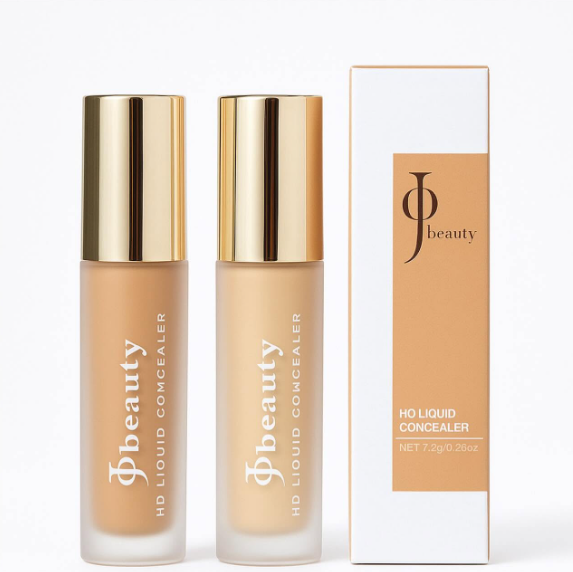
Full-coverage option: a richer formula for the areas that need it most. This is where Jo Beauty's concealer fits: a lightweight, high-coverage formula available in two shades: Ivory for fair and lighter tones, and Beige for warm and medium tones.
Natural-finish option: satin, not fully matte or fully dewy, usually the most forgiving across both oily and dry zones.
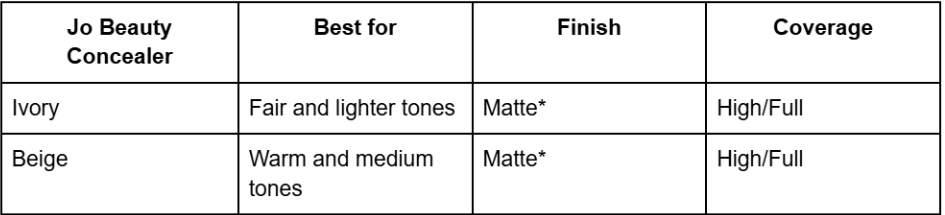
Jo Beauty's product listing describes the finish as matte, while its product description also describes the look as smooth, natural and HD.
Jo Beauty's lightweight, high-coverage formula can be a practical option for combination skin, particularly when you want targeted coverage without applying a heavy layer across the entire face.
How to Apply Concealer on Combination Skin
Cleanse first. Unwashed skin traps oil under your concealer, and patchiness shows up within hours.
Moisturize. Even oily areas need it. Skipping this is the main reason concealer looks cakey on dry patches.
Prime if you need to. A lightweight, hydrating primer helps concealer sit evenly across both oily and dry zones.
Apply only where you need it. Dab onto dark circles, blemishes, and uneven areas, not your whole face.
Blend with a damp sponge or your fingers. Softer finish, less risk of settling into fine lines.
Set the oily areas only. A light dusting of translucent powder on the T-zone stops it from sliding.
Skip powder on dry areas. It tends to highlight texture instead of hiding it. A hydrating setting spray works better there.
Common Mistakes to Avoid
Using too much product. More concealer just means more sitting on the surface, and that's what looks cakey.
Applying a matte formula everywhere instead of only where you need oil control. Skipping moisturizer because your skin feels oily in the morning, when dry patches usually show up worse without it.
Powdering your whole face out of habit. Powder belongs on the oily parts. Picking a shade that's too light or too dark, test on your jawline in daylight, not store lighting. And rushing your skin prep, since prepped skin holds concealer very differently than skin that isn't.
Frequently Asked Questions
Is liquid or cream concealer better for combination skin? Liquid is the safer default, it blends easily across both oily and dry areas. Cream can work if you lean more dry than oily, but it shifts more on an oily T-zone.
Should combination skin use matte concealer? Not everywhere. Matte helps the T-zone but can look flaky on dry cheeks. A semi-matte finish, or a thin layer on drier areas, works better.
What concealer is best for an oily T-zone? A lightweight, semi-matte formula, set lightly with translucent powder.
How do I stop concealer from looking cakey on dry skin? Moisturize first, use a hydrating formula, apply thinly, and skip powder there.
Should I set concealer with powder? Only where you need oil control, usually the T-zone. Powdering everywhere makes dry patches more obvious, not less.
What type of concealer is best for dark circles? Hydrating, medium coverage, often with a peach or salmon undertone for bluish darkness, applied thinly to avoid creasing.
Choosing What Actually Works for You
There's no single best concealer for combination skin that works for everyone. What works is matching formula, finish, and coverage to your own skin, oil control where you need it, hydration where you don't, and application that respects both. Watch how your face looks through the day, not just right after you apply it. If a lightweight, high-coverage formula sounds like what you need, Jo Beauty carries both shades alongside the rest of their face makeup.